Showing posts with label Bibliophilic Rarity. Show all posts

20 August 2025

Jewish Folk Art • Jüdische Volkskunst


"Die Stimme", 01-MAY-1950: “We received the following letter: In the article by André Spire reproduced in the previous issue of your newspaper, the gravestones that Dr. Diamant showed in Czernowitz are compared with those in the Prague Jewish Cemetery, among others. What is remarkable about them, however, is that they have nothing in common with those. The Prague stones, for example, were created by Christian stonemasons in the style and ornamentation of the Christian environment there. The stones that Diamant discovered in northern Bukovina, the southern tip of Eastern Galicia, and Moldavia were carved by Jewish stonemasons, members of the Chewrah Kadischah, in fulfillment of a sacred duty. They are worked from left to right, the writing itself is a means of expression, the ornamentation harks back to ancient symbolic motifs from the Middle East and is often completely redesigned. The craftsmen often succeeded in expressing something of the nature of the person buried beneath the stone (see, for example, the gravestone of a young girl or that of the rabbi in Diamant's book). Diamant was therefore right to claim that he had discovered a kind of Jewish folk art in these stones. In doing so, he refuted the assumption that we Jews are incapable of developing folk art. These stones have such richness and power of expression that they are something entirely unique and become an experience for the viewer.Diamant's book “Jüdische Volkskunst” [Jewish Folk Art] was published by Präger Verlag, Vienna, but due to a lack of funds it had to be printed in Czernowitz and the clichés for the illustrations were obtained in Bucharest, not always to our full satisfaction. A subscription in Vienna, followed by one in Czernowitz, covered part of the printing costs; Diamant himself paid the rest, just as he had often restored the gravestones in the cemeteries at his own expense. Most of the book's print run was destroyed by the Nazis in Vienna. It would be welcome if a new edition could be published, which, among other things, could provide a wealth of inspiration for Jewish arts and crafts. The people of Bukovina will remember that Ing. Dawidowicz created chandeliers and grilles for the lodge house in Czernowitz based on motifs from Diamant's book. M. Seidman”

31 May 2020

Pharus Map Czernowitz 1913 • Pharus Plan Czernowitz 1913


Czernowitz Pharus Map. Bukowinaer Vereinsdruckerei commissioned an overview map of Czernowitz from the Pharus Printing House in Berlin. The map goes on sale at the extremely low price of 1 [Austro-Hungarian] Krone. It is available at all book stores [and of course for free download at Edgar Hauster's Czernowitz Book Corner].

Bukowinaer Nachrichten, 13.01.1913
Bukowinaer Nachrichten, 19. Januar 1913

Please check the bilingual (German/Romanian) version of this map - inculding street finder - at: Internet Portal of the dtmb Project

27 February 2020

Schematism and Statistics • Schematismus und Statistik


Very large file, please allow adequate time for downloading!

David Levine: "I wanted to share with the group [Gesher Galicia] a resource which might be of interest. [...] The reason for sharing is that it is a very interesting historical and biographical resource for understanding the agricultural economy that our ancestors lived in and the people who worked and owned in it. The book lists not only the estates of the nobility but also those of smaller owners. The gazetteer lists the names of the owners as well as the people who worked in the management of the estates. It is a combination of geographical, biographical and agricultural information all of which is of interest from a genealogical context point of view. As Galicia [Bukovina] was in the Habsburg empire, Jews were far more free to participate in the agricultural economy. The names of some of the owners and those working on the estates are clearly Jewish. I got the book on inter-library loan as microfilm from University of Illinois and spent the day at the main San Francisco Public Library scanning each of the 750+ pages. As such the scans are pictures not OCR text that can be searched (sorry). […] What makes these easy to approach for research is that there are thorough indexes that start for


• Besitzer (owner name) on PDF page 690

• Beamten (officials who work on the estate) on PDF page 718
• Pächter (tenants/lessee names) on PDF page 727

The gazetteer is alphabetical by owner name. The list of estates are ordered by:

   
Galicia [PDF page 4]

same as below

Bukowina [PDF page 654]

Fideikommiss und Allodial (Landtäefliche) Güter
(entailed and landed estates) by name of owner

a) Weltliche (secular)

b) Geistliche (spiritual/church owned)
c) Stiftungsgüter (foundation/monastery owned)

d) Staats, Landes- und Gemeindegüter (state, province and community estates)

[...]

Happy to answer any questions."


David Levine
davidelevine@gmail.com
San Francisco, CA

13 October 2019

Bukovina Under Austrian Administration 1775-1875 • Die Bukowina unter österreichischer Verwaltung 1775-1875


Hieronymus Franciscus van Drunen ["A Sanguine Bunch" • Regional Identification in Habsburg Bukovina, 1774-1919]: Writings with an Ideological Agenda. By stating 'We only wanted to highlight part of the successes and the apparent run of events through facts, which in turn explain the gratitude with which the commemorating population these days solemnises the centenary of the country's linkage with Austria', legal historian Hermann Ignaz Bidermann completed his 'Bukovina under Austrian Administration 1775- 1875'. By 1875, many of the conditions in Bukovina described by the first Austrian envoys had changed dramatically: the aftermath of the 1848 revolutions had accelerated the process of Bukovinian disengagement from Galicia and had eventually led to independent crownland status. Immigration had continued and urbanisation had taken root, especially in Czernowitz and to a lesser extent in the towns of Suczawa and Radautz. National consciousness among the elites of Romanian and Ruthenian speakers was on the rise and was to be enhanced by the founding of the Franz Joseph University in 1875. […] Not only were the publications by Bidermann and [Adolf] Ficker ['Centenary of the Unification of Bukovina with Austria' • 'Hundertjahrfeier der Vereinigung der Bukowina mit Österreich'] the first works for a larger audience dealing with Austrian Bukovina, they also specifically aimed at glorifying the Austrian achievements on the occasion of an anniversary which in the eyes of Romanian nationalists was no reason to celebrate to begin with. […]

Courtesy: GoogleBooks

28 October 2018

Die österreichisch-ungarische Monarchie in Wort und Bild • The Austro-Hungarian Monarchy in Word and Picture


http://hauster.de/data/monarchy.pdf


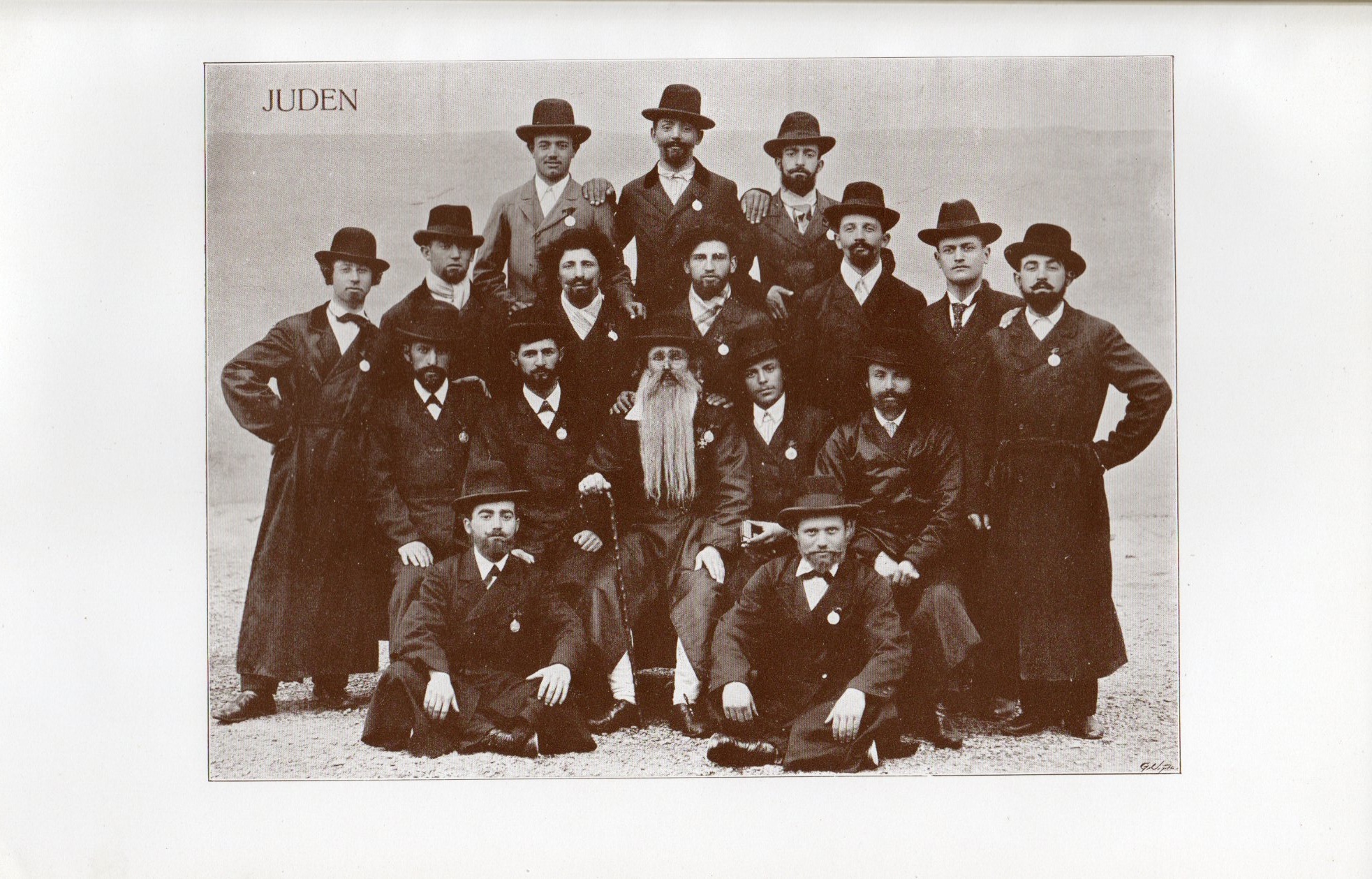
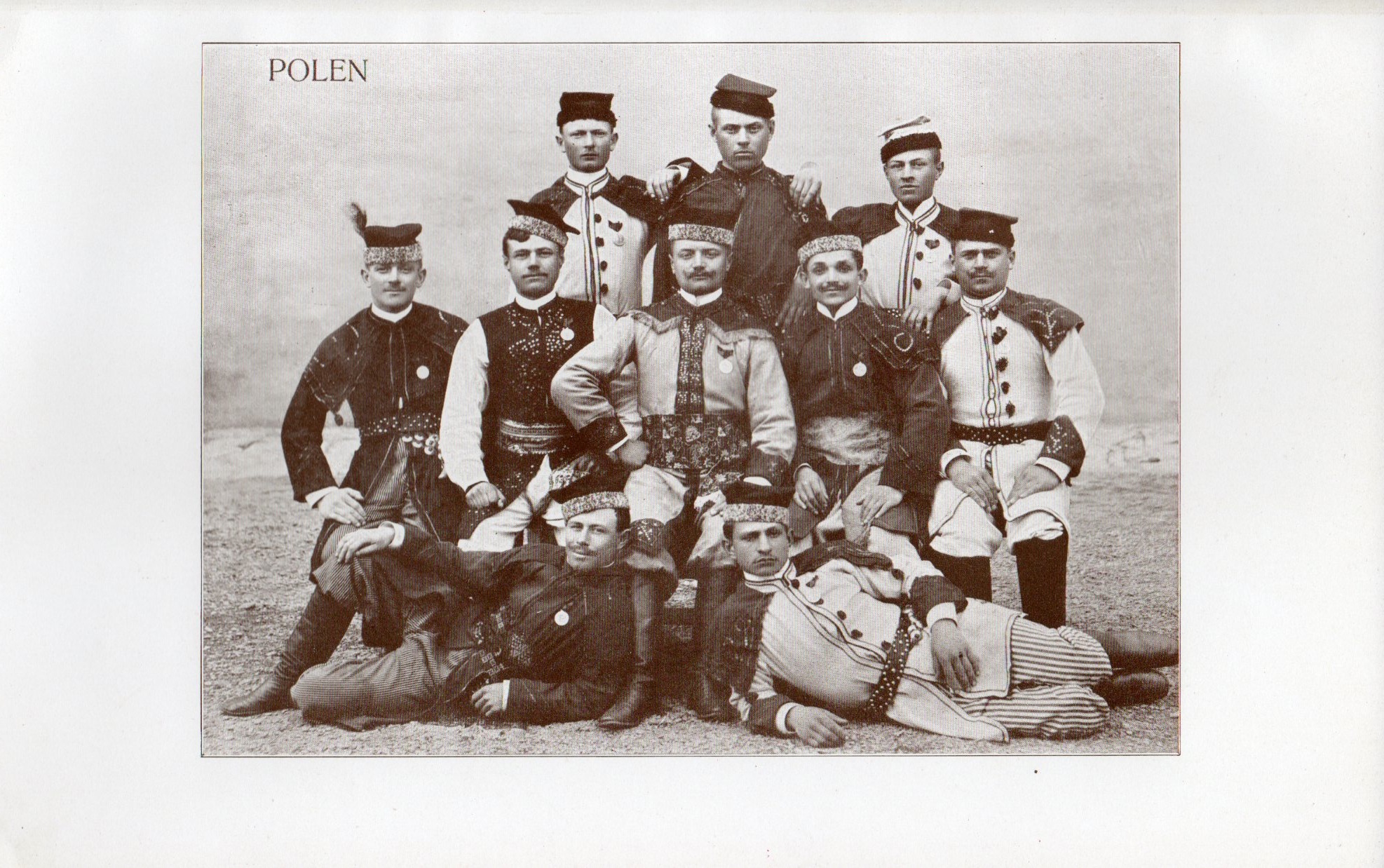
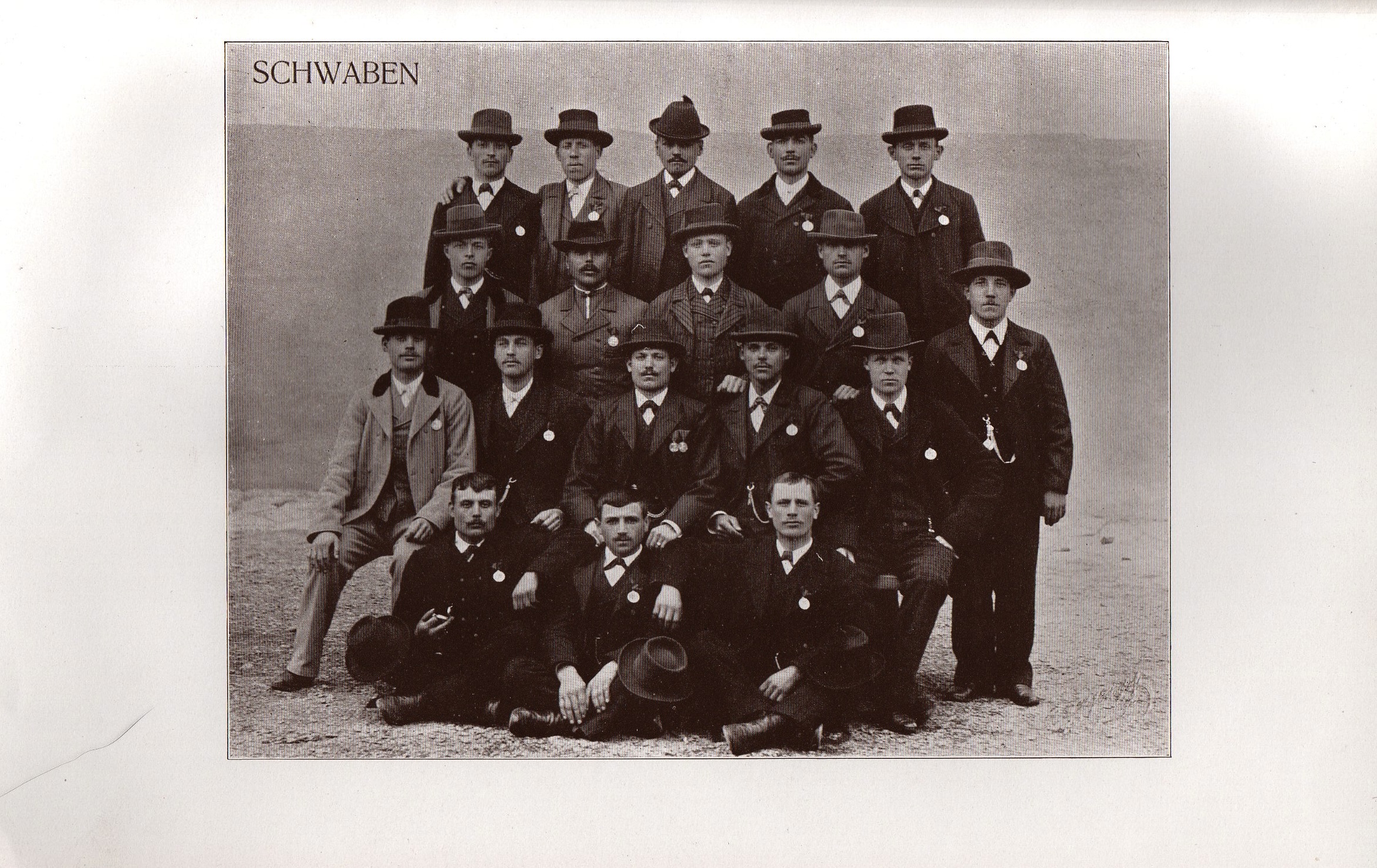
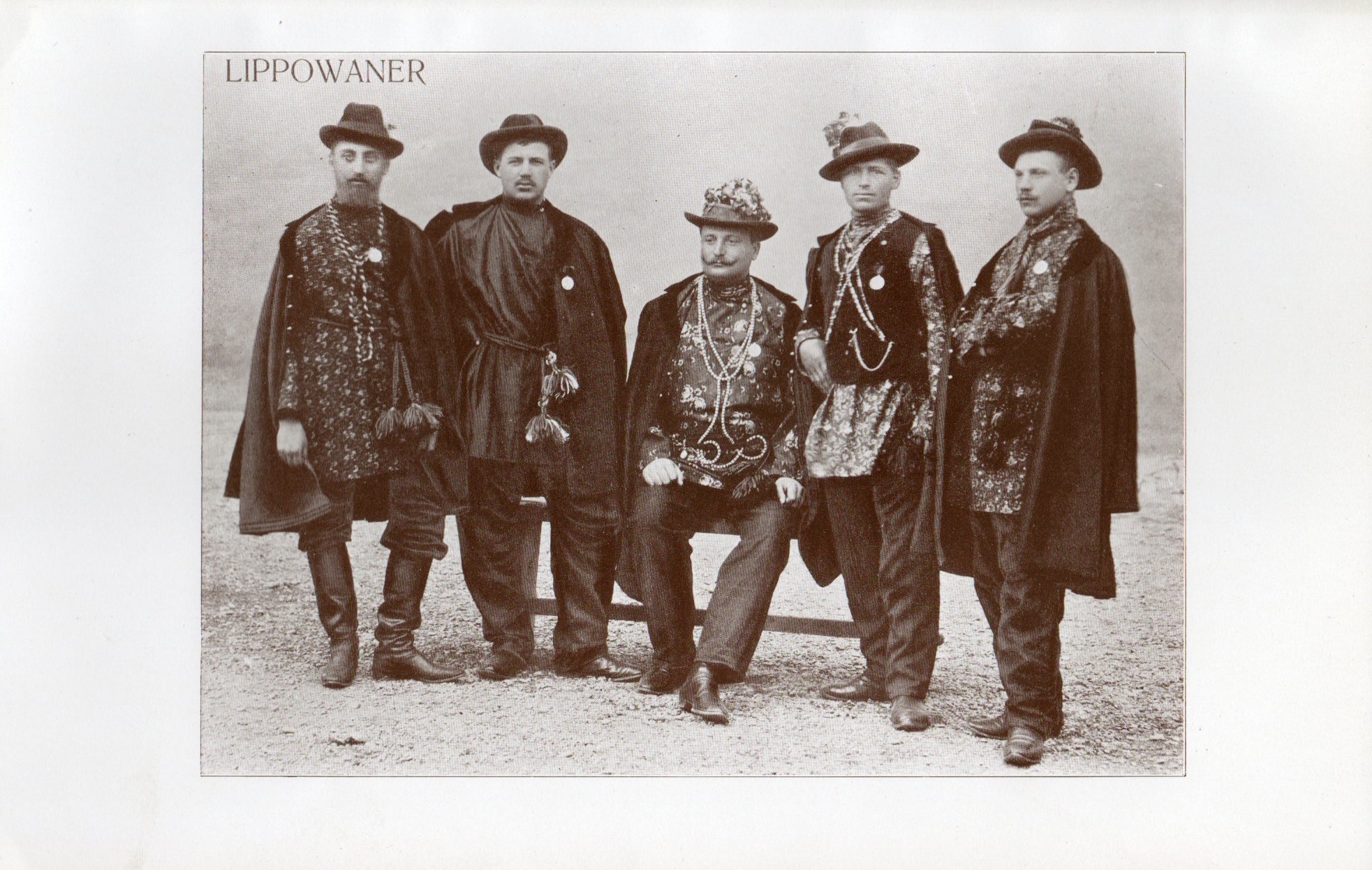
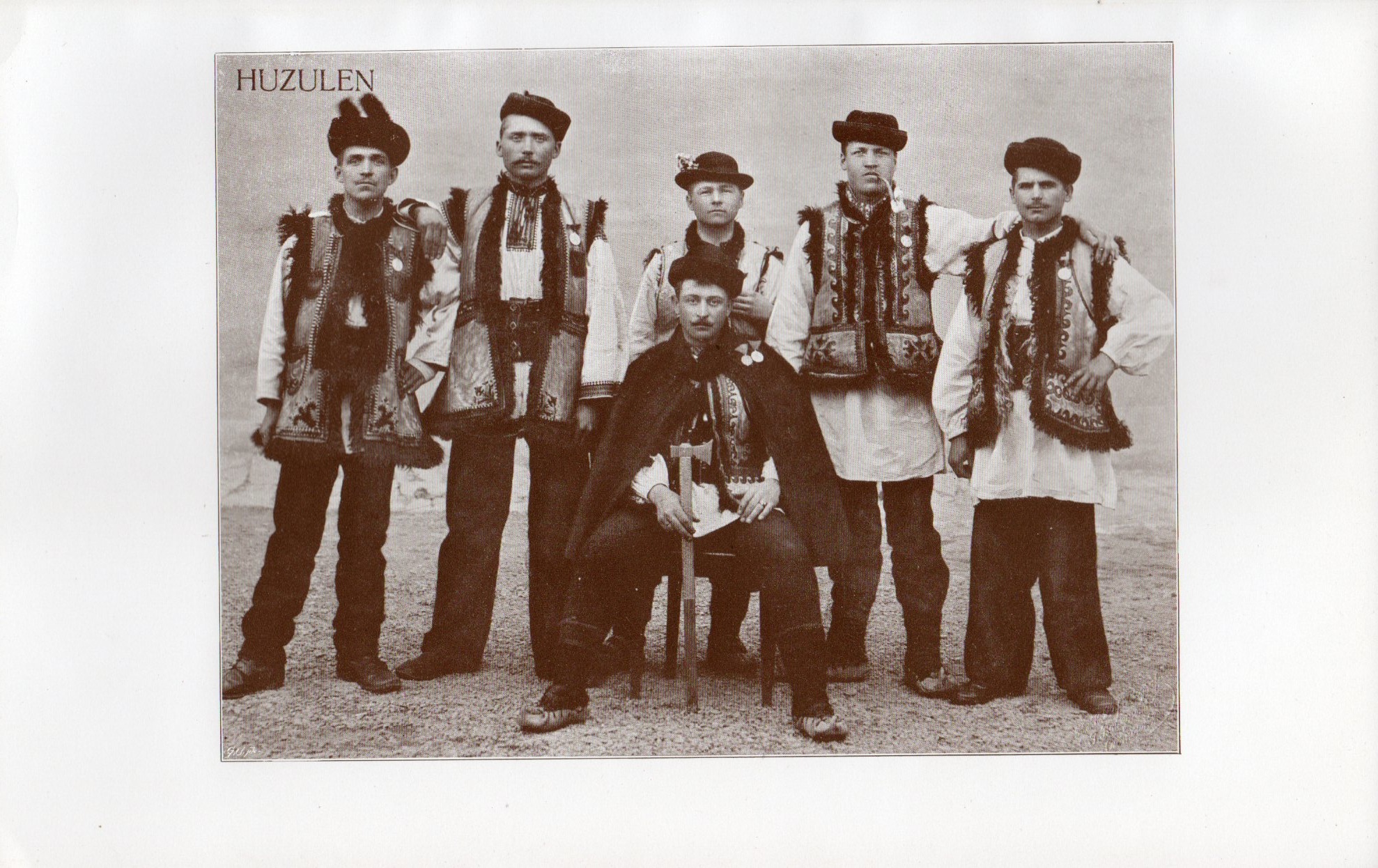
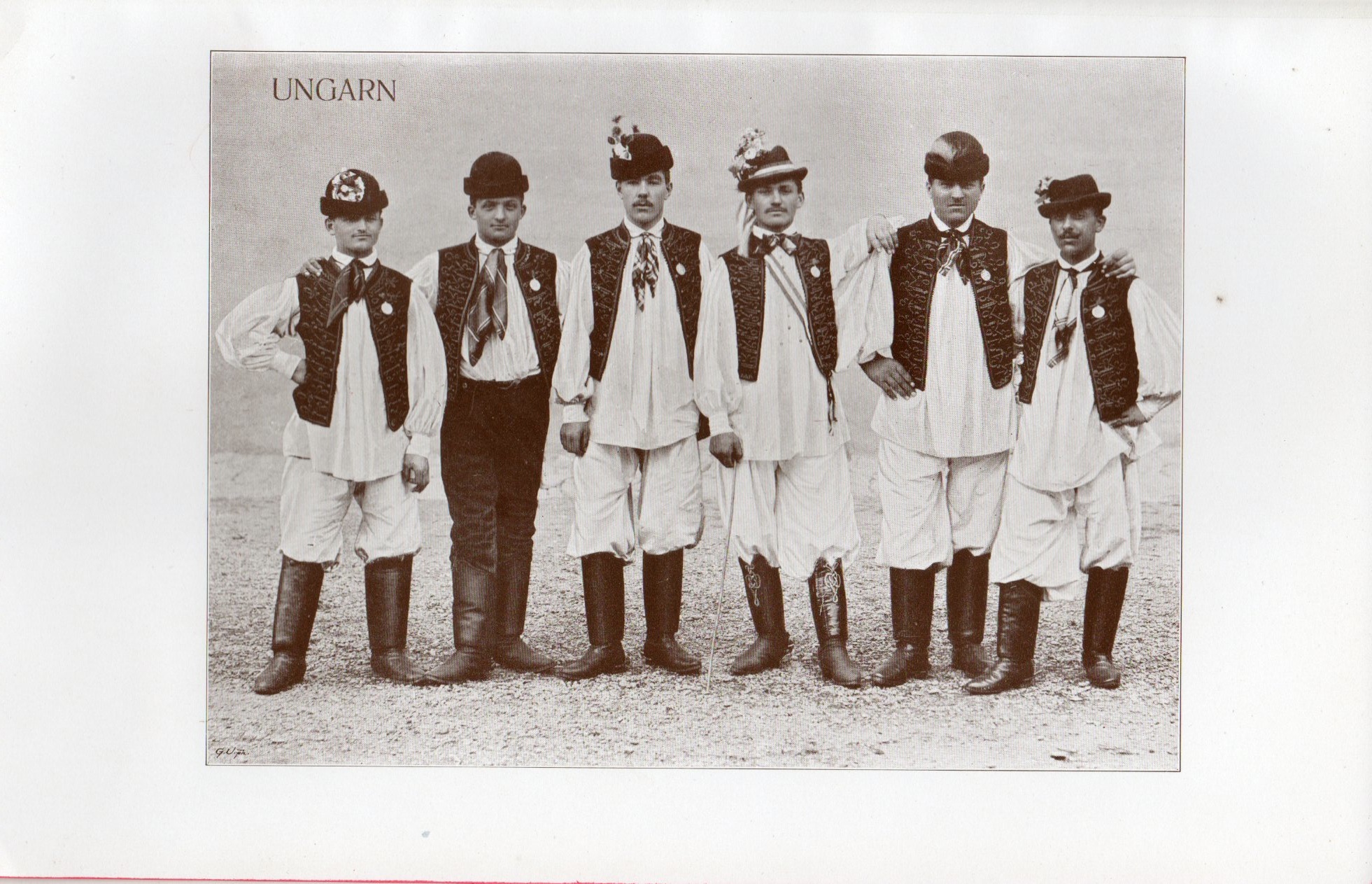
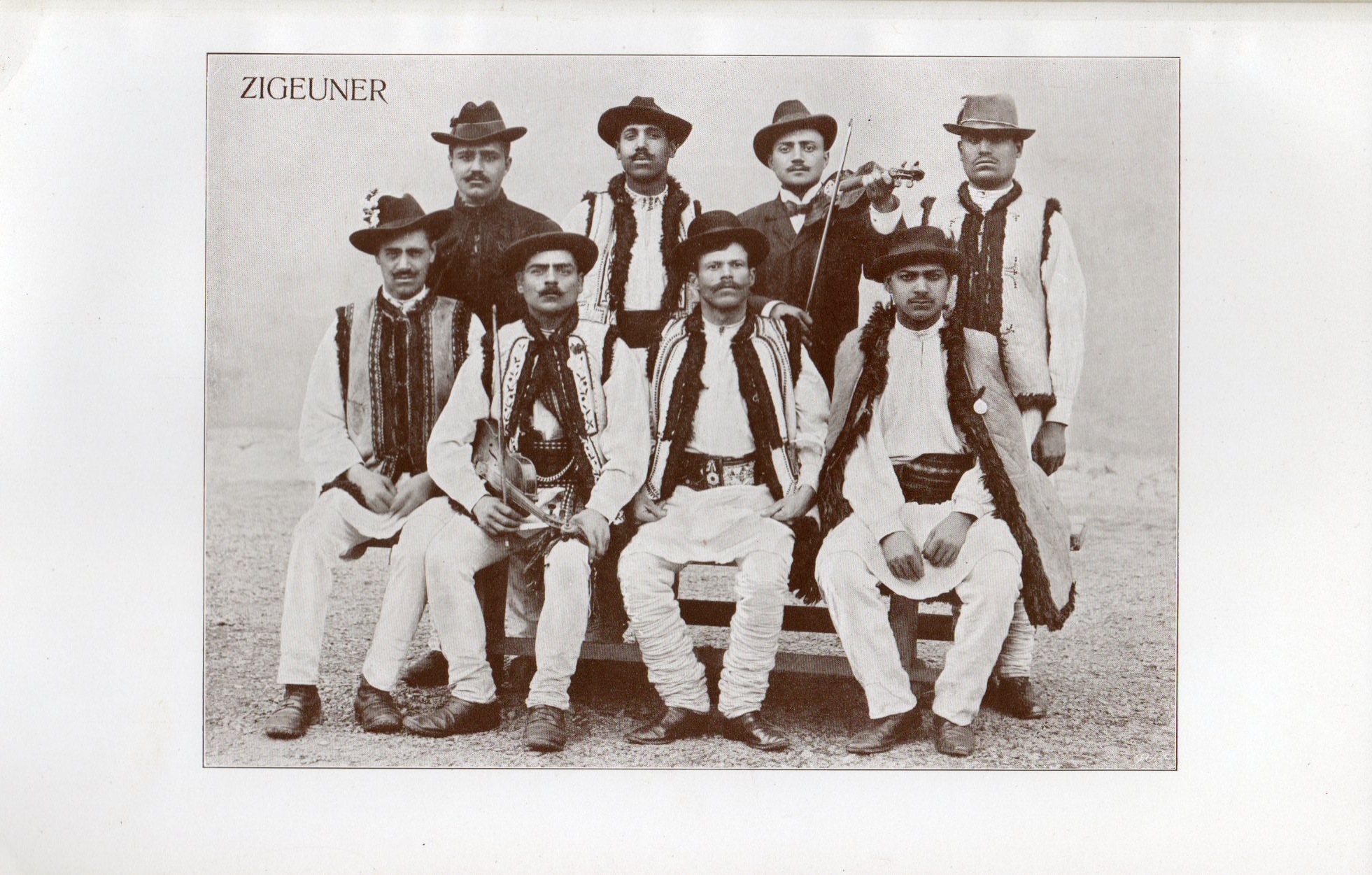
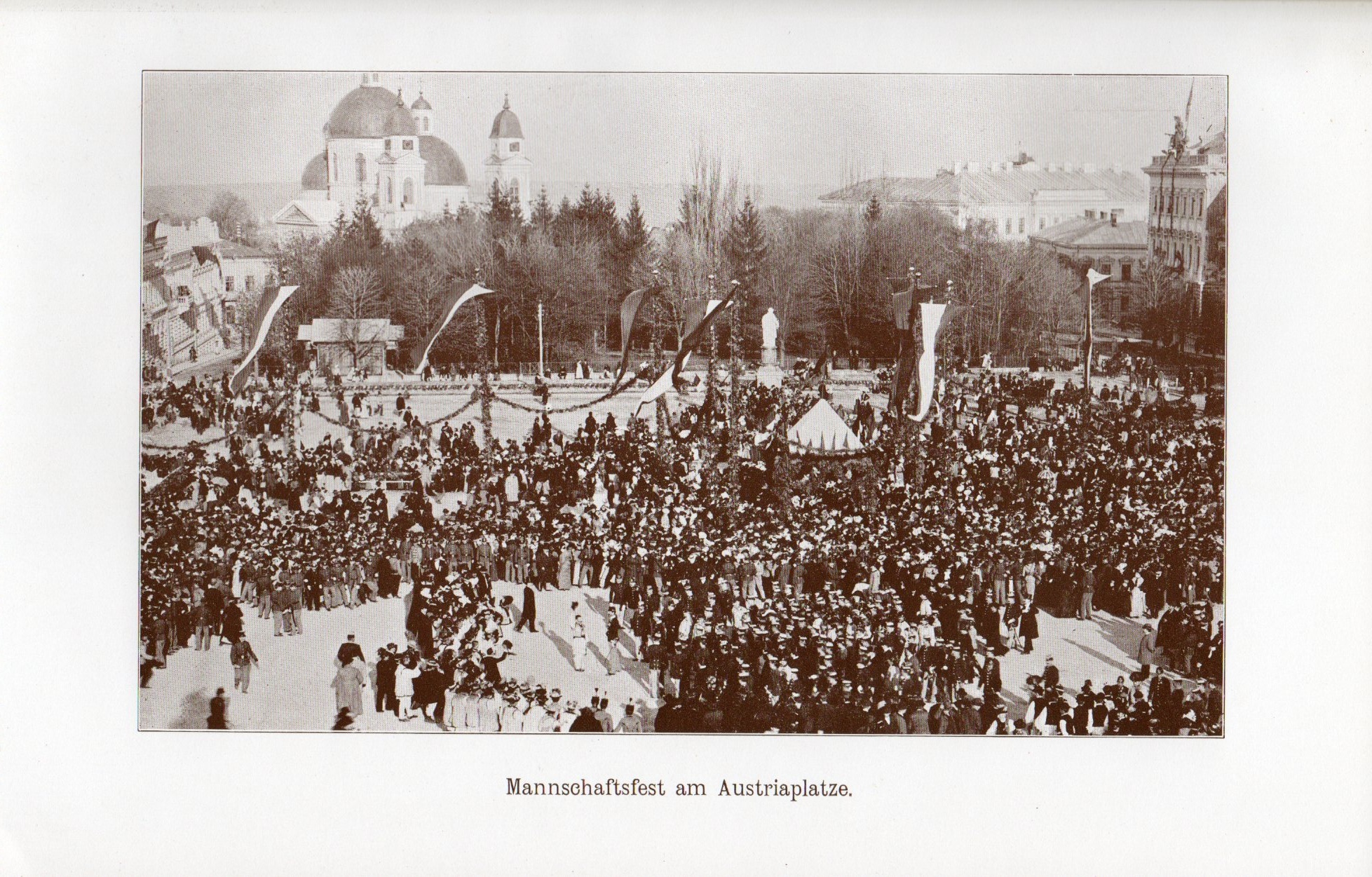
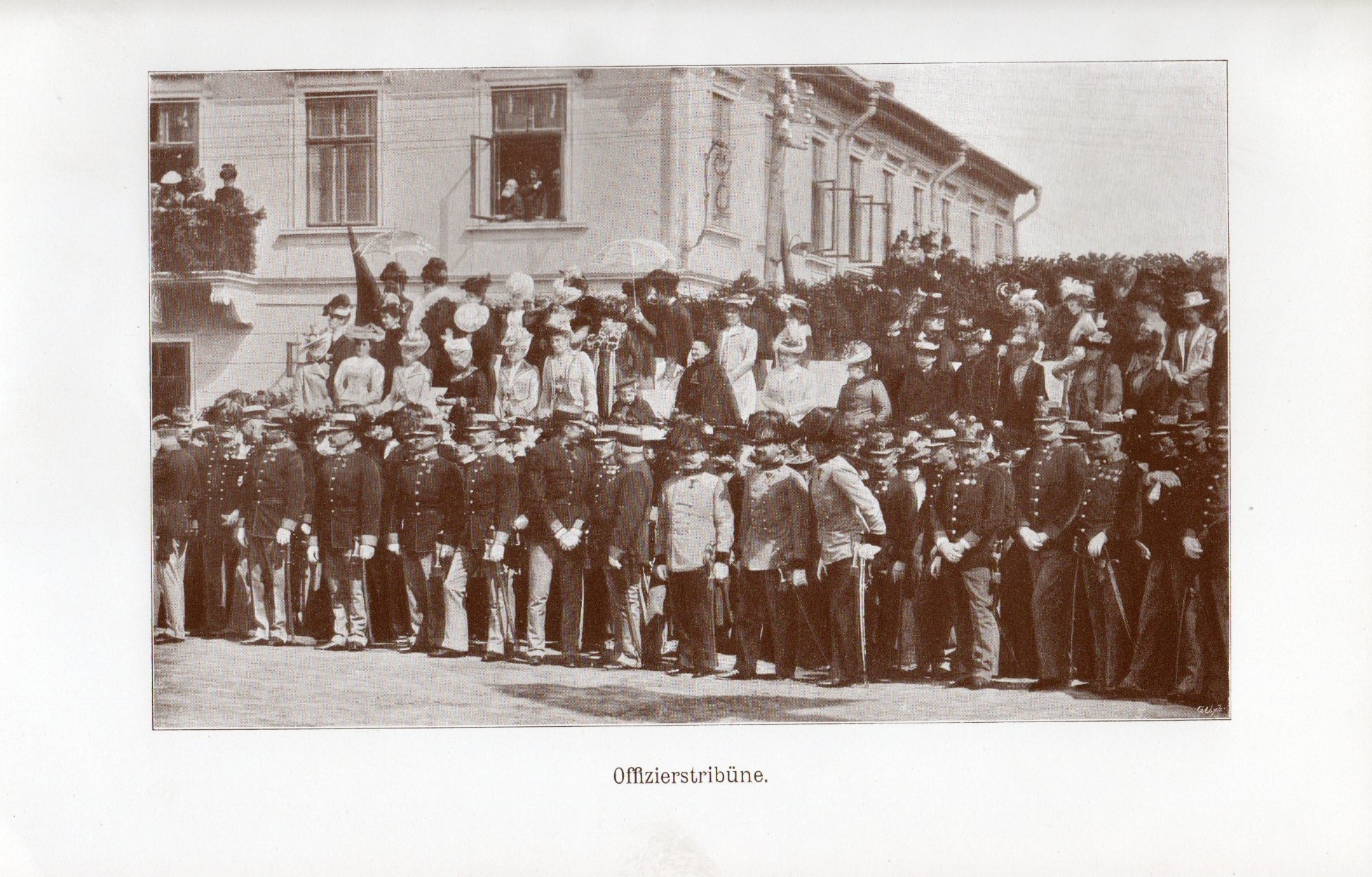
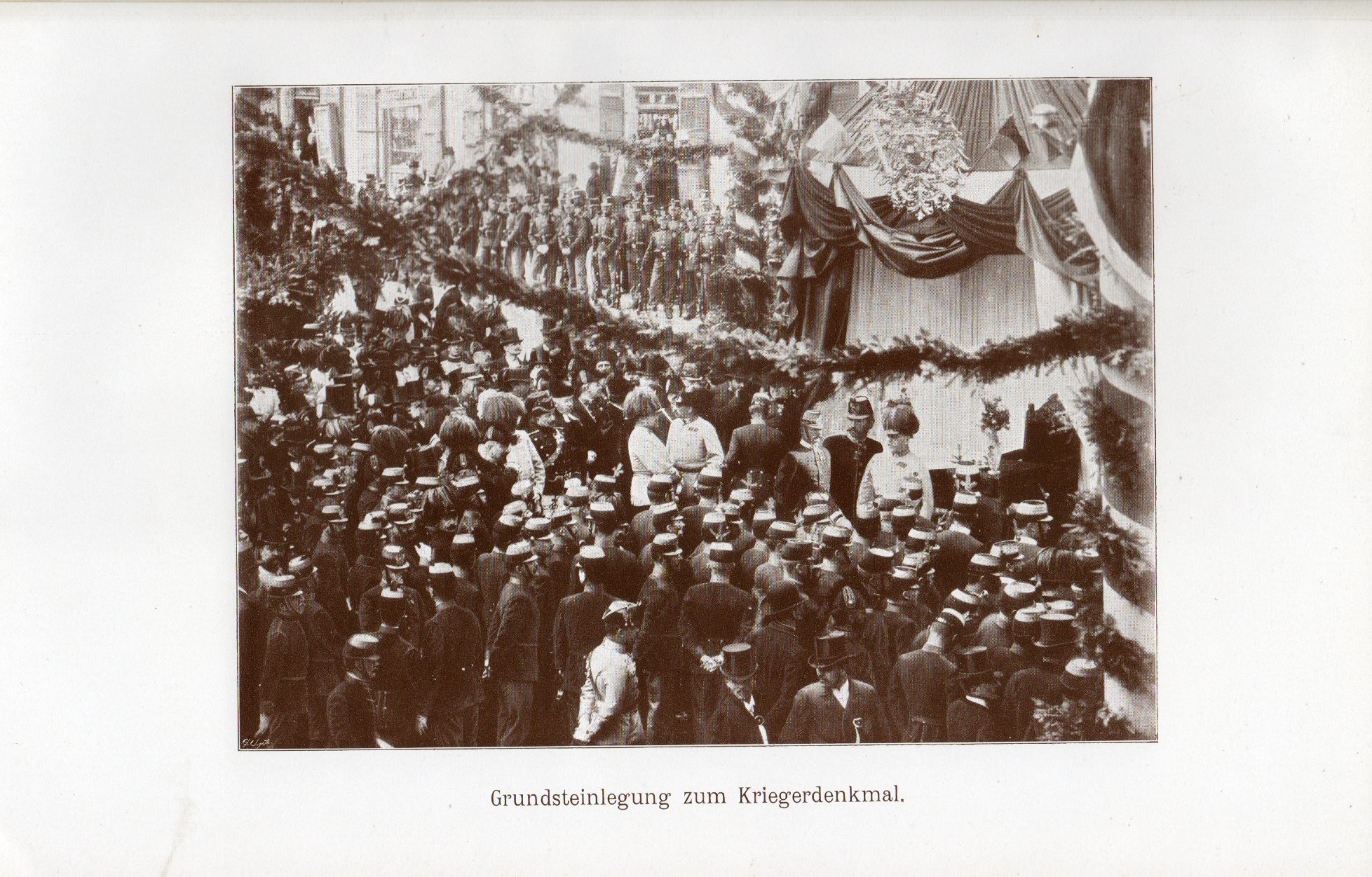
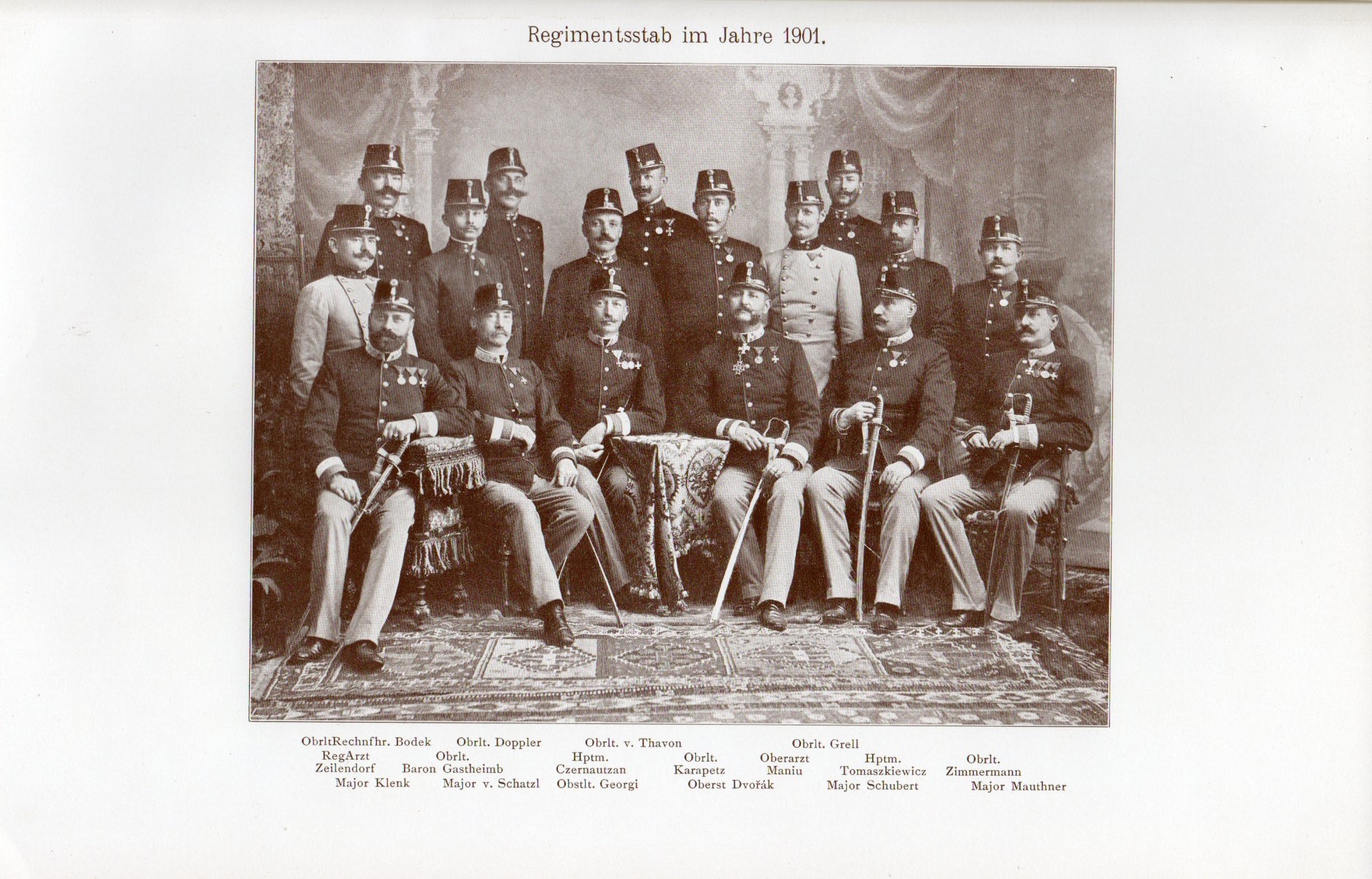
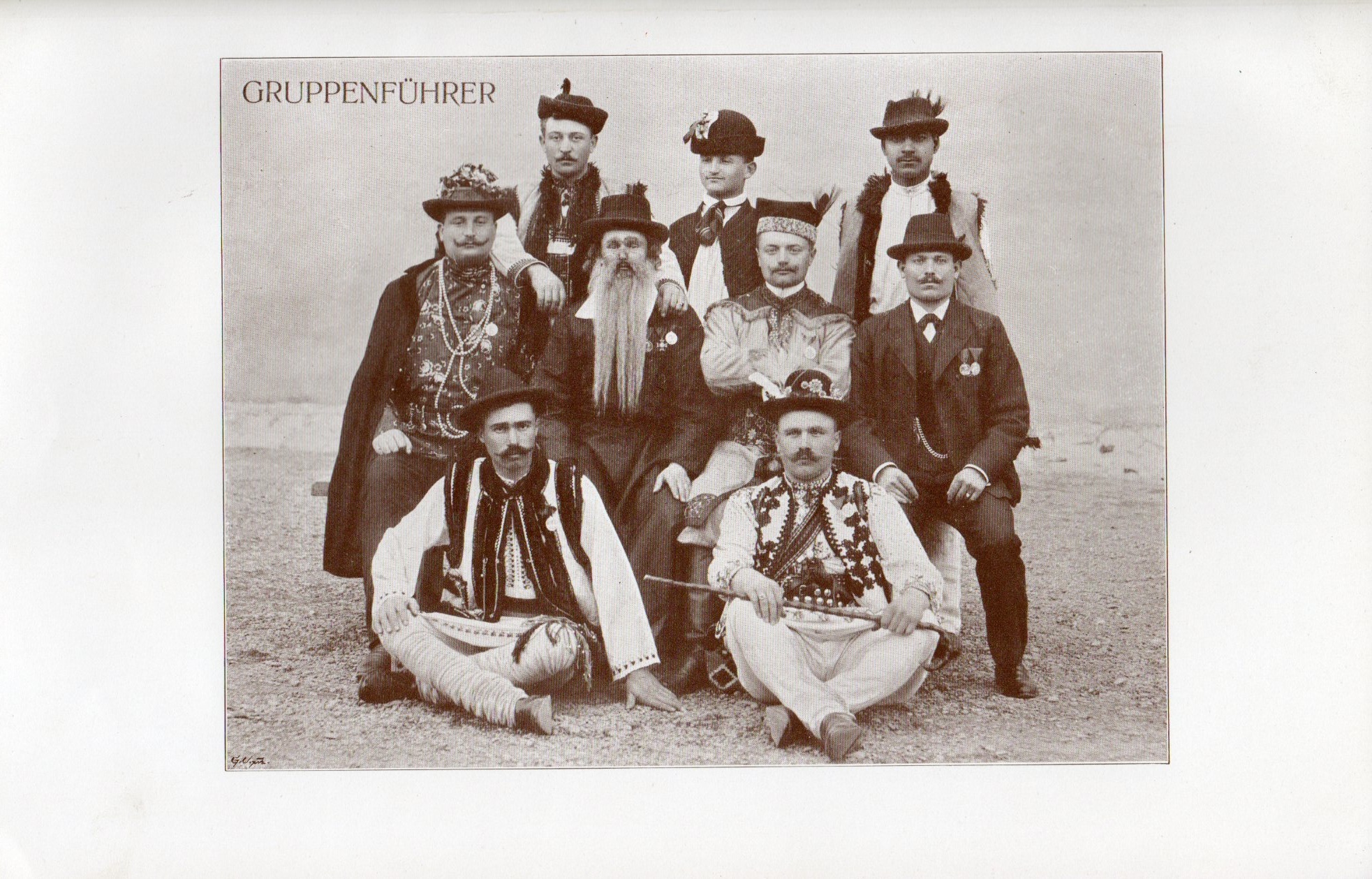
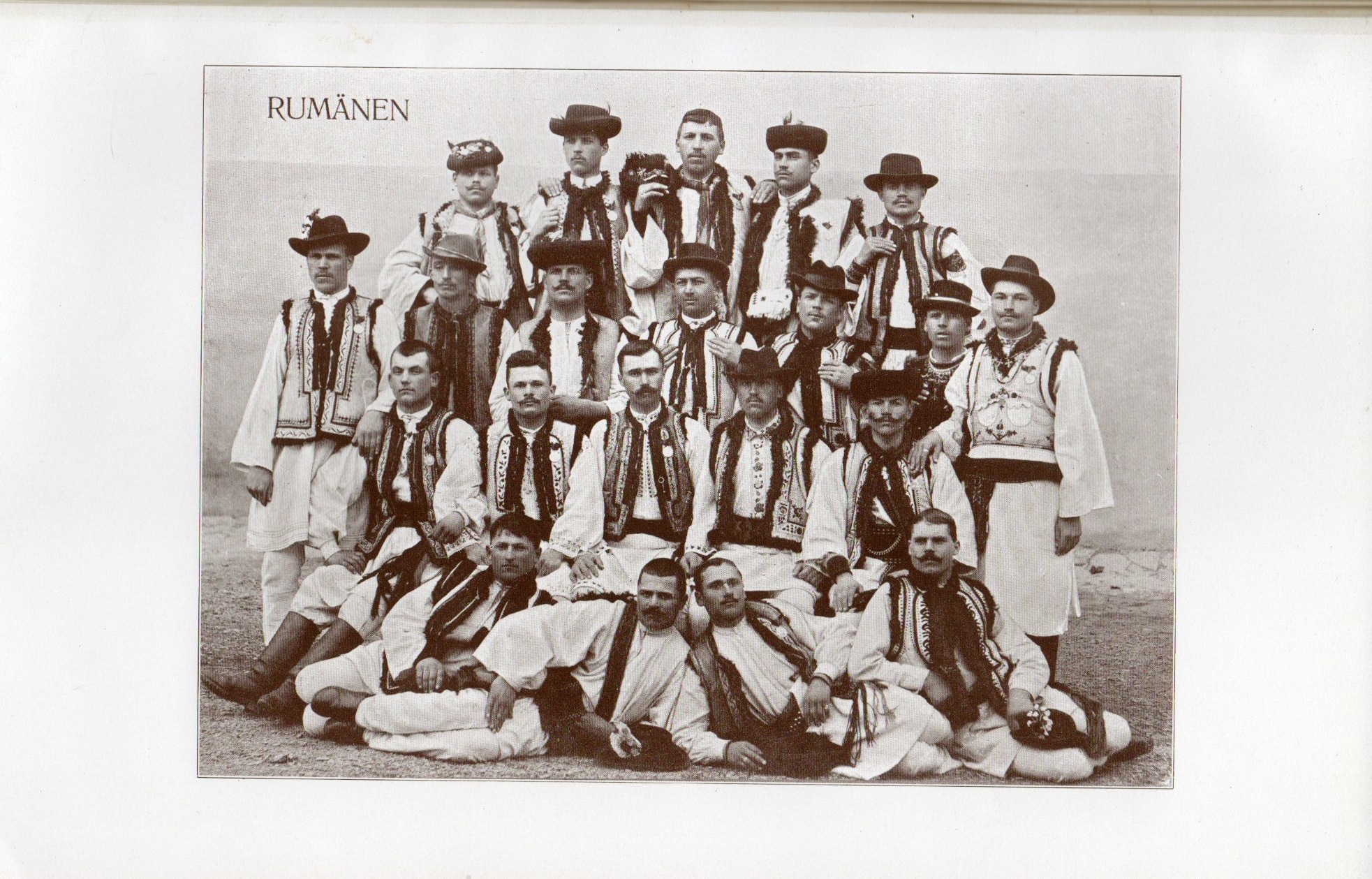
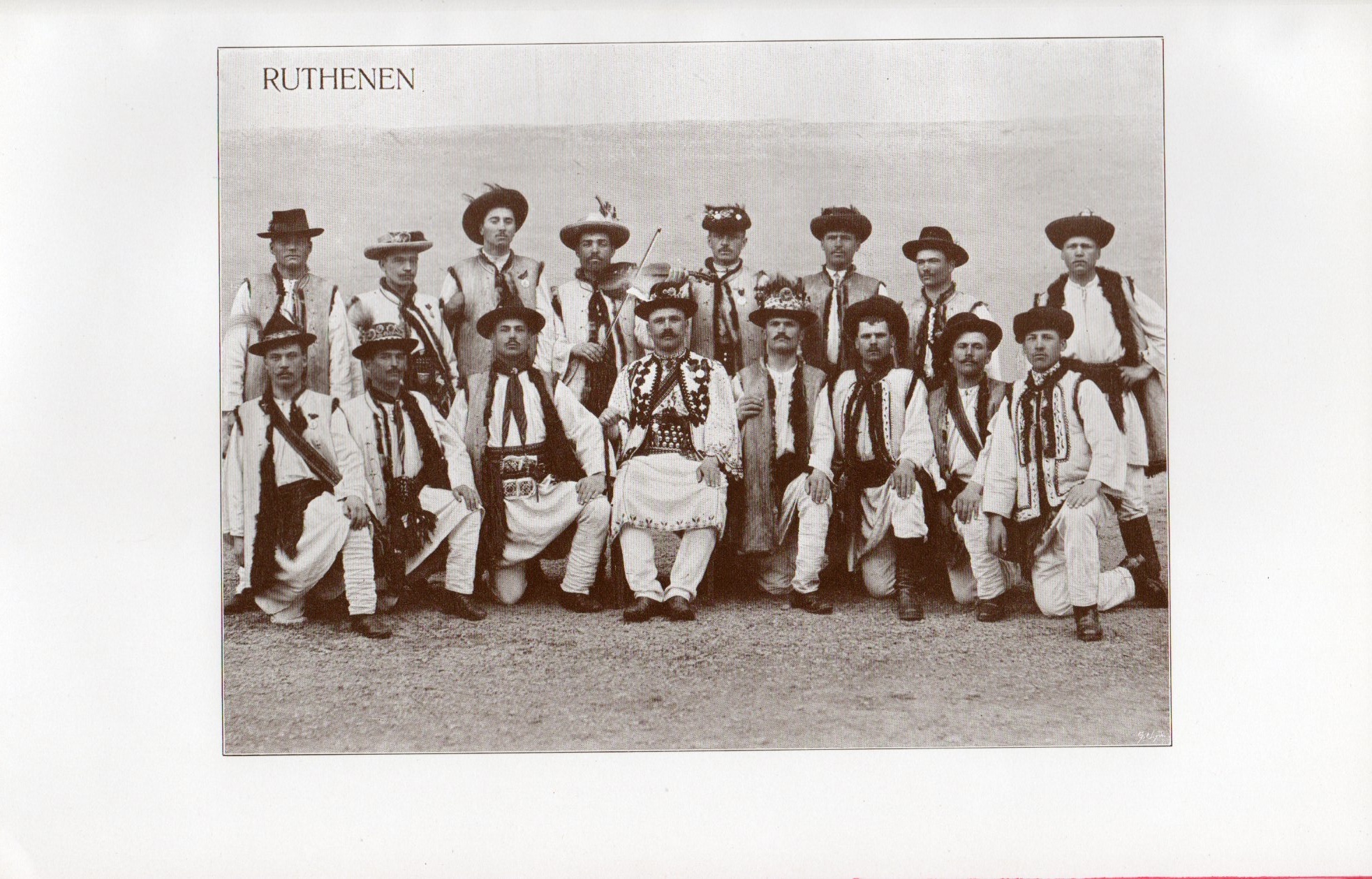
The World of Habsburgs: "Crown Prince Rudolf initiated a compendium on the Habsburg empire, intended as a peace project to unite different peoples and thus to save the crumbling Monarchy. Excluded from the political life of the court by the conservative figures surrounding his father due to his liberal and progressive ideas, Rudolf made his own mark when, in 1884, he initiated the monumental encyclopaedia Die österreichisch-ungarische Monarchie in Wort und Bild (‚The Austro-Hungarian Empire in Words and Pictures‘), named after him as the ‘Kronprinzenwerk’. The work was a kind of compendium intended to record the entire empire with all of its peoples. The Kronprinzenwerk was certainly impressive in statistical terms; over a period of 17 years, from 1885 to 1902, there appeared 397 individually-published instalments which were sent every two weeks to subscribers. In total, the project comprised 24 volumes containing 587 articles by over 400 authors (largely locally-based folklorists who themselves belonged to the ethnic group being investigated) and around 4,500 illustrations by 264 artists from across the Crown Lands. It was thus the biggest work published by the Imperial-Royal Court and State Publishing House. In keeping with the dualistic structure of the Monarchy, a German and a Hungarian edition were prepared by two separate teams of editors – in parallel, but differing somewhat in terms of content, the Hungarian version being primarily directed at an urban middle-class target audience. Great hopes were placed in the work, at least at the beginning, both by the publishers and the press, which gave it considerable public attention in the 1880s. Against the background of the virulent conflicts between the Monarchy’s nationalities which took place during this decade, the work was intended to be a peace project linking people together and directed against all separatist forces; through the communication of knowledge, it aimed to bring reconciliation and strengthen solidarity within the Danube Monarchy. Following Rudolf’s death, and with the shifting of the topics dealt with in the volumes from the centre to the periphery of the empire, public interest increasingly evaporated. Today, a complete edition of the Kronprinzenwerk is a much-sought-after collector’s item. (Julia Teresa Friehs)"

Courtesy: https://archive.org/

27 June 2018

Vestnik • Herald of the Eliezer Steinbarg Society of Jewish Culture in Chernivtsi


http://hauster.de/data/18062701Vestnik.pdf

Remark: The primary source for Yevgeniya Finkel’s research was the "Report of the 'Soviet Extraordinary Commission' for Czernowitz“. There is no doubt that Yevgeniya Finkel conducted the research with the greatest possible care. But, considering her very limited access to other sources and poor research conditions, there is no guarantee of any kind that the information it contains is accurate and/or complete.

Dr. Svetlana Frunchak: "Numerous Holocaust survivors’ memoirs concerning Bukovina were either written by survivors themselves or based on interviews with them. Many were published in Israel by Yad Vashem; others appeared in Germany, North America, and Ukraine. A particularly important source on the history of the Holocaust in Northern Bukovina and, to a lesser extent, neighboring regions, is a series published [by Yevgeniya Finkel] between 1991 and 1996 as the Herald of the [Eliezer Steinbarg] Society of Jewish Culture in Chernivtsi, with the support of the Association of the Prisoners of Nazi Ghettos and Concentration Camps and the Chernivtsi State Archive. The five issues of the Herald contained numerous recollections of Holocaust survivors who lived in Bukovina before, during, or after World War II; surveys of the Chernivtsi State Archive’s holdings concerning the Holocaust; lists of victims, perpetrators, and rescuers in various locations in Northern Bukovina; locations of mass executions and graves; and other related materials."


Read more: Marcus Winkler and Jewgenija Finkel, Juden aus Czernowitz. Ghetto, Deportation, Vernichtung, 1941–1944. Überlebende berichten. (Aus dem Russischen von Kateryna Stetsevych). [Jews from Czernowitz: Ghetto, Deportation, Extermination, 1941–1944. Survivors Tell Their Story (translated from Russian by Katerina Stetsevych)] (Wien/Vienna, 2005).

Courtesy: The Chernivtsi Museum of the History and Culture of Bukovinian Jews

28 April 2018

AGORA • Colecție Internațională de Artă și Literatură • International Collection of Art and Literature


http://hauster.de/data/Agora.pdf

Pierre Joris, author of "Breathturn into Timestead: The Collected Later Poetry of Paul Celan": "Celan had met the Surrealist poet Ion Caraion back in 1946; a year later Caraion would print Celan’s first published poems in German in the Bucharest Magazine Agora."

Bianca Rosenthal, author of "Pathways to Paul Celan: A History of Critical Responses as a Chorus of Discordant Voices": "In 1981, I participated in the Celan-Kolloquium in Bucharest which was organized by Dr. Uwe Martin the director of the Kulturinstitut der Bundesrepublik Deutschland and the Writers' Union of the Socialist Republic of Romania. My presentation was entitled: 'Quellen zum frühen Paul Celan: Der Alfred Margul-Sperber-Nachlass in Bukarest'. The meeting was a fascinating experience because it reunited a large number of people who had played an important role during Celan's Bucharest years, among them Petre Solomon who was instrumental re the Romanian publication of 'Todesfuge' (tango) as well as Ion Caraion, the editor of 'Agora'. "

21 March 2018

Jewish Almanac for Greater Romania for the Year 5683 (1922-23)


1. Dr. Solomon Kassner, Czernowitz: Die Juden in Großrumänien. In den alipierten Provinzen. [17-22]
2. Dr. J. I. Niemirower, mare rabin, București: Probleme evreești, Soluțiuni evreești. [22-26]
3. Karl Klüger, Czernowitz: Mykola. [22-29]
4. Prof. Juliusz Wolfsohn, Wien: Jüdische Musik. [29-32]
5. Dr. Benjamin Fuchs, Czernowitz: Ghettogäßchen. [32]
6. Prof. Dr. Manfred Reifer, Czernowitz: Quellen zur Geschichte der Juden Großrumäniens. [33-38]
7. R. Markus, Jerusalem: Tagebuch einer Palästinafahrt. (Von Czernowitz nach Jerusalem.) [38-47]
8. Dr. Mayer Ebner, Czernowitz: "Ich bin Jude“. [48-51]
9. Dr. Moritz Oberländer, Czernowitz: Die Juden in Großrumänien und der Minoritätenschutz. [51-54]
10. Dr. Markus Krämer, Czernowitz: Das ewige Martyrium. Kleine Bilder der großen Zerstörung. [54-65]
11. Dr. Moritz Rosenheck, Czernowitz: Der Anteil der Juden am Wirtschaftsleben in der Bukowina. [66-69]
12. Dr. Z. F. Finkelstein, Wien: Herzl's Mutter. [69-74]
13. Julius Weber, Czernowitz: Der Journalist. (Ein Essay.) [74-80]
14. Martha Kern, Czernowitz: Ein jüdischer Malerpoet. [80-90]
15. Dr. Max Diamant, Czernowitz: Vom Völkerbunde. [91-95]
16. Dr. Emil Margulies (Kongreßanwalt d. zion. Weltorganisation), Leitmeritz: Das Palästinamandat in seiner juristischen Bedeutung. [95-107]
17. A. Axelrad, București: Lădița cu necazuri. Noi. [107-108]
18. Oberrabbiner Moses Glasner, Cluj: Der Zweck heiligt die Mittel. [108-110]
19. Max Brod, Prag: Glaube und Ritus. Elegie an die abgefallenen Juden. [110-115]
20. Dr. Salomon Kinsbrunner, Czernowitz: Von der Notwendigkeit u. der Bedeutung des modernen Bibelstudiums. [117-121]
21. Dr. M. Soloveitschik, Minister f. jüd. Angelengenheiten, Kowno (Litauen): Die Voraussetzungen der jüdischen nationalen Autonomie in Litauen. [121-125]
22. Adolf Bernhardt, București: Die industriellen Möglichkeiten Palästinas. [125-127]
23. Prof. Emil Zappler, Czernowitz: Drei Maler: Artur Kolnik, Salomon Lerner und Jacob Einsenscheer. [127-134]
24. Rettet die hungernden jüdischen Kinder in Rußland! Aufruf der Exekutive der jüdischen Welthilfs-Konferenz (Paris, 10 Place Eduard VII). [134-136]
25. M. Schweig, București: Evreii în presa română. [137-139]
26. Otto Abeles, Wien: Gewalt! Herbstgang. Geburtstag. Begegnung. Chanuka. [140-142]


Dr. Markus Krämer (27.10.1887 – 02.06.1964), President of the Local Commitee of the General Zionists, lawyer, local council, Deputy Party Chairman of the Jewish Party for the Bukovina, member of the student’s corporation J.N.A.V. Zephirah in Czernowitz.

19 May 2017

Spovedania • Testimony


http://hauster.de/data/TraianPopovici.pdf

Yad Vashem: "The Insurgent Mayor. When Germany signed its non-aggression pact with the Soviet Union, it took Besserabia and Northern Bukovina from Romania and gave it to the Soviet Union. In July 1941, when Germany attacked the Soviet Union with Romania at its side, the two territories were returned to Romania. For three days the returning Romanian soldiers carried out a massacre among the local Jewish population.

Born in 1892, Dr. Traian Popvici was the son of a Romanian Orthodox priest. He studied law in Czernowitz (Cernauti – the former capital of Bukovina – and today Chernovtsy in Ukraine) and earned a doctorate. When Soviet Russian annexed his town he moved to Bucharest. At first he supported Ion Antonescu's regime, but soon became disenchanted with its policy of segregation. When Czernowitz was returned to Romania in July 1941, Popovici was appointed mayor. By the time he moved into the mayor's office, some anti-Jewish decrees had already been enacted, and he tried to alleviate the Jews’ situation as much as he could. According to testimonies all persecuted Jews turned to him for help.

On 10 October 1941, the Romanian governor, acting on Antonescu's orders decreed the creation of a ghetto and the deportation of the city's Jews. Popovici expressed his objection, but to no avail. Within a few days the deportations began, and Jews from Czernowitz were transported across the river to Transnistria. By mid-November 28,000 of the town's Jews had been deported. The terrible conditions in Transnistria and the inhuman forced labor led to the death of approximately half of the deportees. Popovici later described the deportation: 'Out there a great column of people was going into exile: old men leaning on children, women with babies in their arms, cripples dragging their mangled bodies, all bags in hand; the healthy ones pushing barrows or carts or carrying on their backs coffers hastily packed and tied, blankets, bed sheets, clothes, odds and ends; all of them taken from their homes and moved into the ghetto.'

In his memoirs Popovici said that he contemplated stepping down, but was determined not to abandon the Jews in their time of need. Disregarding the risk to his person, he continued to protest to the governor and to Antonescu, arguing that the Jews were vital to the economic stability of the town. His ruse succeeded, and he was ordered to draw lists 20,000 Jews within four days. The Jews who received the exemption from deportation were allowed to return to their home. Popovici distributed authorizations to Jews - well above the quota he was given, and to people who had no professional skills whatsoever.

The abuse of his mandate cost him his job. In spring 1942 he was charged with granting permits to 'unnecessary' Jews, and was removed from his position and returned to Bucharest. In June 1942 another 5,000 Jews of Czernowitz were deported to Transnistria – most of them perished. The Jews remaining in Czernowitz survived.

Immediately after the war, Popovici wrote a book entitled Confession of Conscience. He described the events as a Romanian tragedy with deep implications for the moral consciousness of the Romanian nation. Traian Popovici confessed that he was not an adversary of Antonescu. 'Like many others in this country I believed in the myth of the strong man, of the honest, energetic, and well-meaning leader who could save a damaged country.' He went on to describe his motivations in helping the Jews: 'As far as I am concerned, what gave me strength to oppose the current, be master of my own will and oppose the powers that be, finally to be a true human being, was the message of the families of priests that constitute my ancestry, a message about what it means to love mankind. What gave me strength was the education I had received in high school in Suceava, where I received the light of classical literature, where my teachers fashioned my spirit with the values of humanity, which tirelessly enlightens man and differentiates him from the brutes'. It should be noted, of course, that many who had received the same education were among the perpetrators and bystanders, and that on the other hand, many rescuers did not enjoy and enlightened education at all. The answer to the question what prompted certain people to preserve human values is more complex.

Popovici died in 1946. Twenty-three years later, in 1969, he was recognized by Yad Vashem as Righteous Among the Nations -- the first Romanian to receive this honor.

Paying tribute to Popovici in his own country took longer. In June 2000, by resolution of the Bucharest town hall, a street in the Romanian capital was named 'Dr. Traian Popovici,' after the former mayor of Cernăuţi during the Second World War, who saved thousands of Jews from deportation to Transnistria."

Courtesy: Dr. W. Filderman Foundation

01 March 2017

Poporul acuză! • The People Accuse!


http://hauster.de/data/PoporulAcuza.pdf

Michael Shafir: "Based on the Nuremberg model, People's Tribunals were set up in Romania by a decree issued by King Michael I on April 21, 1945. [...] There were two tribunals, one in Bucharest and the other in Cluj. The Bucharest tribunal sentenced only 187 people, the rest were dealt with by the Cluj one, set up on June 22, 1945, which in general pronounced harsher sentences (thirty people condemned to death and fifty-two to hard labor for life). [...] The first trial held by the Bucharest People's Tribunal ended on May 22, 1945. General Nicolae Macici and Constantin Trestorianu as well as Corneliu Calotescu and others, were found guilty of the massacres perpetrated in occupied Odessa and in nearby Dalnic on October 21-22, 1941 and sentenced to death; other members of the Romanian forces received varying prison sentences. On July 1, 1945, King Michael commuted Macici's sentence to life imprisonment; Macici would eventually die in Aiud prison in 1950. [General Corneliu Calotescu, formerly plenipotentiary Governor of Bukovina, was among this group of 29 officers sentenced to death for war crimes on 22 May 1945. The sentence was commuted to life imprisonment but he was released in an amnesty in 1955.] Altogether, fourty-eight death sentences were pronounced by 'Old Kingdom' and southern Transylvania-based People's Tribunal, but only four were actually carried out, the others being either commuted to hard labor for life or decreed in absentia. None of the sentences handed down in northern Transylvania were implemented, and the leading people charged there had anyway left the region together with the Hungarian authorities. Although the People's Tribunals were liquidated in 1946, trials associated with 'crimes against peace' and other war-related charges would continue in the following years on the basis of law No. 291 of 1947, which stipulated sentences of between fifteen years and life imprisonment for such offences."

[Michael  Shafir “Romania’s Tortuous Road to Facing Collaboration”, in Roni Stauber (ed.), Collaboration with the Nazis: Public Discourse After the Holocaust, London and New York, Routledge, 2011, pp. 245 -278.6]

05 February 2017

Documents Concerning the Fate of Romanian Jewry During the Holocaust


http://hauster.de/data/Ancel/17020501Ancel.pdf 
http://hauster.de/data/Ancel/Ancel000.pdf

Volume V: This volume is entirely consecrated to the fate of the Jews of Besarabia and Bukovina - the extermination by Einsatzgruppe D on one hand and on the other, by the army, police, and other Romanian government elements. For the first time, the secret Romanian orders concerning the exterminations, arrests and creation of ghettos and transit camps and deportation of the survivors to Transnistria - Southern Ukraine, between the Bug and Dniester rivers, chosen by the Romanians as the land of exile - are brought to light. The life of the Jews in Transnistria; the death of tens of thousands of them from hunger, cold, and diseases; the thousands of orphaned children resulting from this situation, as well as the 'miracle' in the land of exile: the self-help organization of the deportees who, with the help of their brethren still in Romania proper succeeded in overcoming, are discussed in these documents. Out of almost 160,000 Jews deported there, almost 50,000 remained alive. In this volume, numerous documents attest to the efforts to effect the return of the deportees - a partially successful struggle, unique in Nazi Europe [Jean Ancel].

Volume XI: This volume is to serve mainly those researchers who do not know Romanian, German and French. Summaries of all the documents are given here in English, some of them extensive and detailed, as well as archival designations. The volume includes a preface by Serge Klarsfeld and a detailed introduction by the editor.

Courtesy: Beate Klarsfeld Foundation

05 January 2017

Alef-Beys • Aleph-Beis • Alphabet


http://hauster.de/data/AlefBet.pdf

YIVO Encyclopedia: "Eliezer Shteynbarg (1880–1932), Yiddish writer and educator. Born in Lipkany, Bessarabia, Eliezer Shteynbarg (originally Shteynberg) received a traditional Jewish education but independently mastered German and Russian classics. Like his cousin Yehudah Steinberg (Shteynberg; a pioneer of modern Hebrew education), Eliezer directed a private, secular school, with Hebrew as the language of instruction. From 1919 on, he lived in Czernowitz (Chernivtsi) where he ran, among other things, a Yiddish children’s theater. As the most distinguished figure in the Tshernovitser Yidisher Shulfareyn (Czernowitz Association of Jewish Schools) and in the Jewish Cultural Association of Romania (founded in 1921), Shteynbarg played a leading role in the cultural life of Romanian Jews. He lived in Brazil from 1928 to 1930, and then returned to Czernowitz. At a very young age, Shteynbarg had written children’s stories and plays in Yiddish for the students in the school he directed, as well as fables for adults. The children’s plays were inspired by purim-shpils and folk legends. In these stories, the author’s rich imagination, combined with his attention to folkloric motifs, yielded a free and poetic style. Shteynbarg also developed original teaching methods in which old heder traditions were blended with modern instructional principles. These techniques are reflected, for example, in his two textbooks, Alef-beys (Yiddish) and Alfon (Hebrew), both published in Czernowitz in 1921."
When my own heart was strained in distress and worry,
I did not withhold my last tear,
But warmed and strengthened and reinforced!

Eliezer Steinbarg
1880-1933

Translation by Yocheved Klausner


Courtesy: Center for Jewish History (Book), Miriam & Yosef Yagur (Artwork)